
Memdeck Secrets You’ll Wish You Knew Yesterday
No, really!

As promised in Sunday’s episode, this issue of the Erudite Magic Digest is dedicated to providing you with some additional resources to help you in your journey with card magic, and specifically, memdeck (Memorized Deck) magic.
Why Memdeck Magic at all?
Memdeck card magic has always appealed to me for a couple of reasons. The first is that I enjoy the intellectual challenge of using a tool most magicians believe they can’t. I believe most magicians underestimate themselves, but it’s still fun to use a tool that many think is limited only to the intellectually elite. Truthfully, many memdeck routines actually do require you to use some thinking on the fly, which I think makes the routines - especially mentalism - very believable. The audience can practically see the wheels turning.
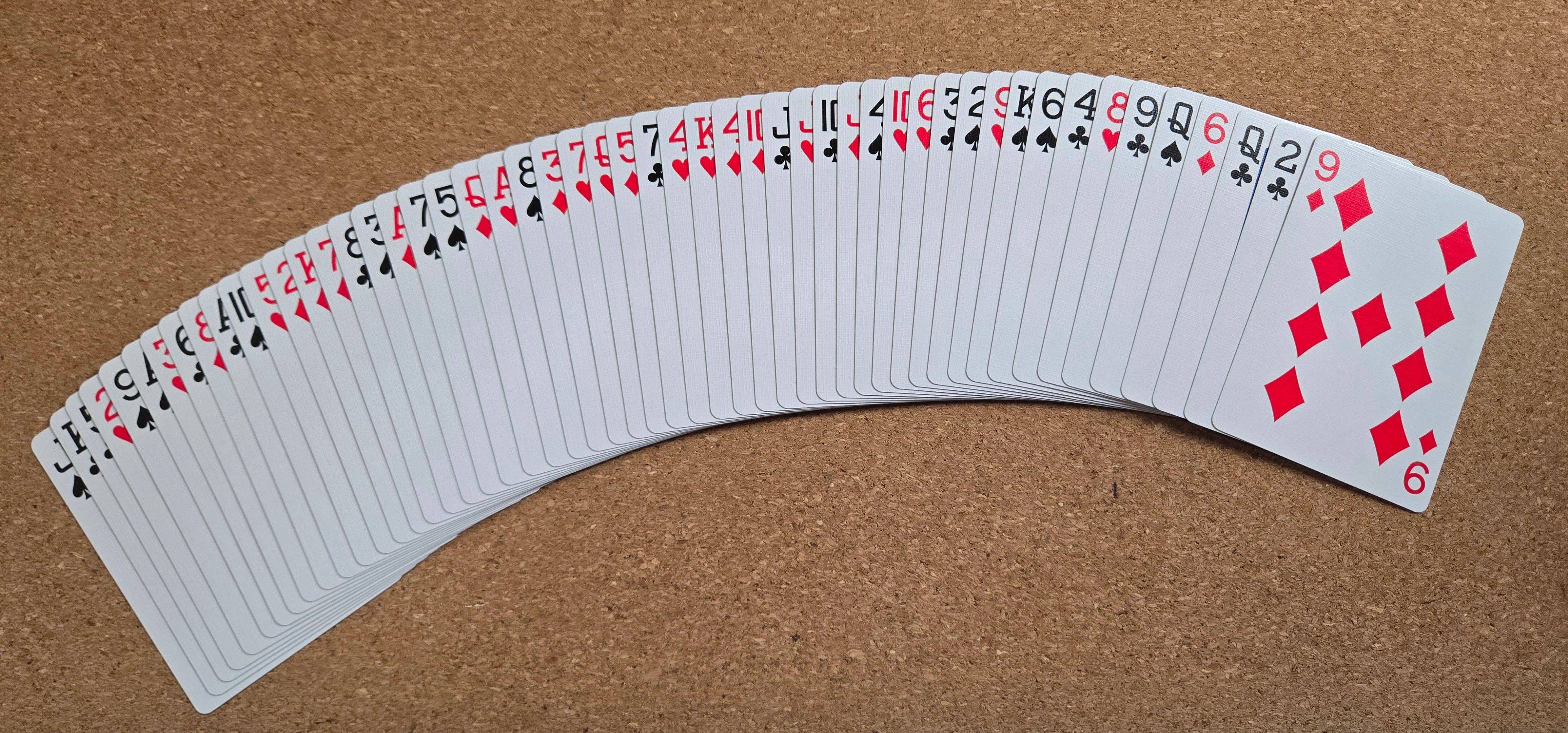
But more importantly and relevant to you, is that while the method (memorizing the exact order of 52 playing cards) might be considered by your audience, they will dismiss it on their own as a ridiculous method.
There are two reasons for this. In the muggle world, playing cards are always in a perpetually changing random order. They’re used for games of chance where you have no idea what lady luck will throw your way next. They represent an area of chaos and randomness that very few other objects can, and it’s absolutely natural to your audience.
“Sometimes magic is just someone spending more time on something than anyone else might reasonably expect.”
-Teller

But the other reason they’ll dismiss the method has to do with the Teller quote above. Audiences assume no sane human would waste their time trying to memorize the order of something that will never be in that order again. Just like many magicians, they can’t fathom trying to memorize a list of 52 banal objects like playing cards.
All of this beneficial psychology is in place before you ever even false shuffle or cut the deck. It’s just the natural state of your audience’s worldview. In short, a memdeck is an almost perfect magic secret.
Let’s dive into what other resources are available to you (beyond my recommended list) and how I went about memorizing my set of 52 cards.
Additional Resources
In Sunday’s episode, I shared five books to help you learn memdeck without having to completely commit to it. You’ve probably already seen those, so I’m not going to rehash that information here. Instead, I want to share some additional books that didn’t quite make the list for the video, but still have a lot of value to offer.
Calculated Thoughts by Doug Dyment - $60
This book isn’t dedicated to memdeck magic. Heck, it’s not even solely about card magic. However, Doug does devote a couple of chapters to explaining different types of stacks and even shares a couple of his favorites.
One of the reasons this tome didn’t make my list is because as proposed, the sections about stack work are not strictly a “memorized deck.” Doug proposes a couple of stacks with algorithmic properties, meaning you can calculate the next card when you peek at the one above it. This is incredibly useful and there’s some good history here, but it doesn’t have the same power as a completely memorized deck.
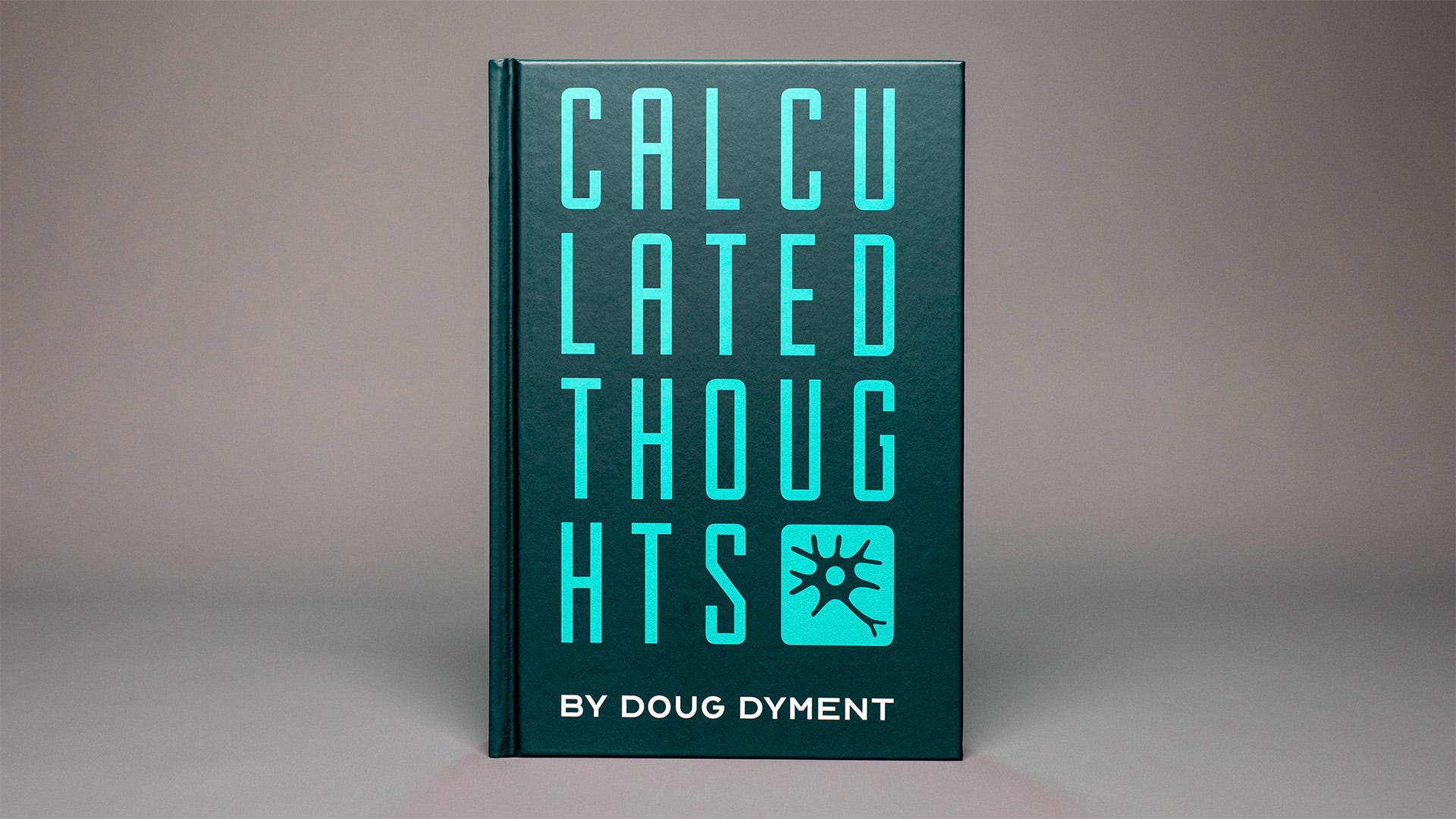
Regardless of its shortcomings in this respect, you can still acquire some great thinking across a broad cross section of mentalism and related mental magic in this book. If you want to see my full review of it, you can find that here.
Encyclopedia of Card Tricks - $25
In case you’re not ready to spend very much, but still want a small taste of what memdeck magic can do, let me recommend this golden oldie. Toward the back of the book, you can learn the Nikola System and some tricks that can be done with that stack (or frankly, any other stack).
While the memorized deck section of the book is quite small relative to the size of the book, the price is convenient and there are a ton of [non-memdeck] overlooked gems in the rest of the book. Frankly speaking, if you’re wanting to try it out, but don’t want to invest too much, this is your winning ticket.
What are some of your favorite effects from the Encyclopedia of Card Tricks?
Allan Ackerman: All In - $100
Like the Encyclopedia referenced above, this is another set of outstanding card magic that’s way more than just a memdeck book. In fact, there are two volumes in this set, and the vast majority of the tricks have nothing do with memorizing fifty-two pasteboards.
However, Allan dedicates a chapter in the book to discussing a brief history of his involvement with memdeck work, as well as recommending and teaching his favorite version. There are subsequent tricks that take advantage of the stack, so this is another entry point if you want to explore books that may already be in your library.
Of course, I’ve also done a full review of these books, and you can check that out over here.
The Buena Vista Shuffle Club - $50
This book frankly should have made the cut for Sunday’s video. Not only does it have great tricks, but it’s also fun to read. Matt Baker borrowed an idea from Stewart James and invented three characters to dissect the trick after he explains it. Each one brings their own perspective and sometimes even offer suggestions for alternative handlings.
Like all of the books I’m recommending, it’s not exclusively memdeck magic. Nope, there are items with coins, Clue cards, and card tricks that will work with a borrowed, shuffled deck. If you want to know more about it, please check out my [very quirky] review.

What about the real work?
So how did I go about memorizing my preferred stack (the Aronson stack)? I would love to tell you that I have a massive shortcut to offer you to make you an expert in just a couple of hours. Instead, I followed the advice of Bob Cassidy, who said something like, “Sometimes the hard way is the easy way.”

That’s right, I brute forced my way to my stack. I just memorized a bit at a time until I got the whole thing down. If I recall correctly (it’s been the better part of a decade), it took me about 3 weeks to commit the stack to memory. That doesn’t mean I was fluent in it, but I at least knew each card and number. Regardless, let me give you a few practical tips to help with your progress:
Recite the cards you know whenever and wherever you have time. This could be on a drive, a run, in the shower, or in the bathroom. Anytime you have a few minutes, run through the stack to reinforce what you already know. You’ll be surprised at how quickly you’ll get the cards down, even with the most difficult method.
Once you know your full stack, test yourself by reciting the stack numbers of each Ace through King set. Go in SHCD or CHSD order - whichever you prefer. This isn’t necessarily a technique to help with the initial memorization phase, but will definitely speed up your recall and reinforce what you’ve already learned.
The following is my favorite method that helped get me over the hump and nail my stack. It’s versatile for the number of cards you have memorized, and it will help you with both the number to value and value to number.
Keep reading with a 7-day free trial
Subscribe to The Erudite Magic Digest to keep reading this post and get 7 days of free access to the full post archives.